Blenders
-
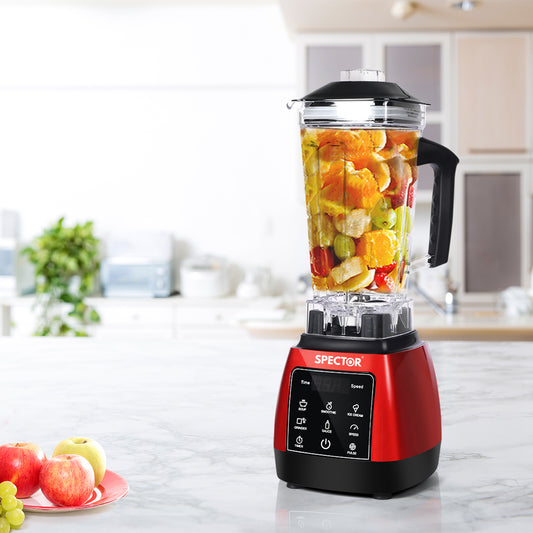
60%
OFF
Spector 2L Commercial Blender Mixer Red
Rated 4.0 out of 5 stars1RRP $289.99(Was $149.52)Regular price $115.86Sale price Now $115.86Regular priceSave $174!
(Was $149.52)Unit price perSave $174!
Sale -
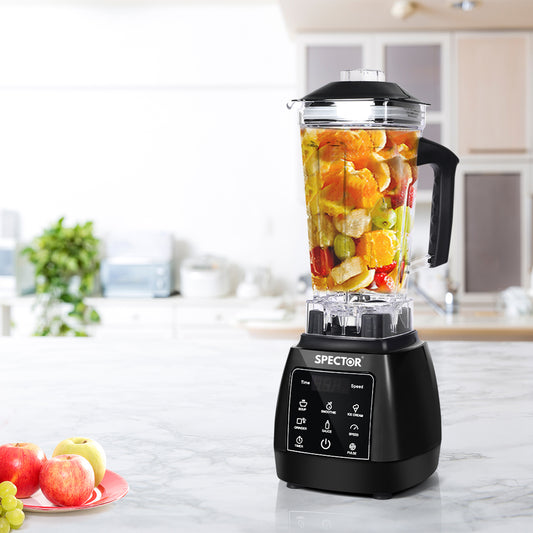
54%
OFF
Spector 2L Commercial Blender Mixer Black
RRP $289.99(Was $149.89)Regular price $132.76Sale price Now $132.76Regular priceSave $157!
(Was $149.89)Unit price perSave $157!
Sale -
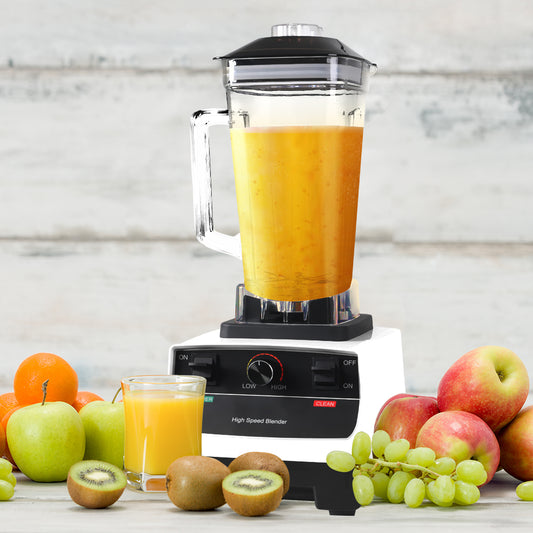
36%
OFF
Spector 2L Commercial Blender Smoothie White
Rated 5.0 out of 5 stars1RRP $151.88(Was $129.10)Regular price $96.55Sale price Now $96.55Regular priceSave $55!
(Was $129.10)Unit price perSave $55!
Sale -
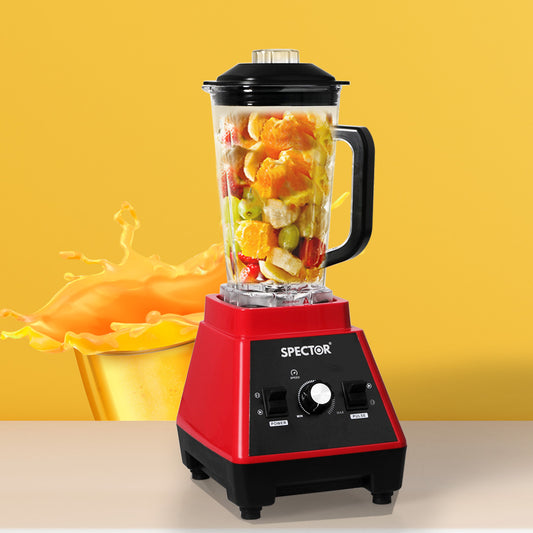
42%
OFF
Spector 2L Commercial Blender Mixer Red
RRP $154.99(Was $139.72)Regular price $90.51Sale price Now $90.51Regular priceSave $64!
(Was $139.72)Unit price perSave $64!
Sale -
38%
OFF
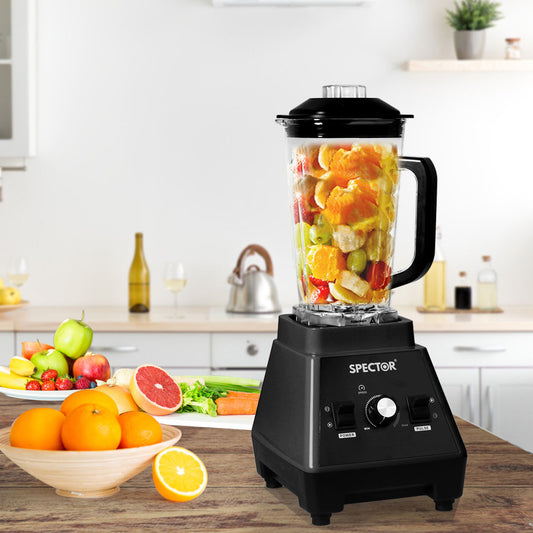
Spector 2L Commercial Blender Mixer Black
RRP $154.99(Was $139.72)Regular price $96.55Sale price Now $96.55Regular priceSave $58!
(Was $139.72)Unit price perSave $58!
Sale
You might need these too

Shop Affordable Blenders
Finding cheap blenders that hold up to regular use in an Australian kitchen comes down to knowing what you need before comparing options. This collection of cheap blenders and smoothie makers focuses on countertop models built for higher-volume blending tasks, from smoothies and protein shakes through to soups, sauces, and more textured preparations. The 2L jug capacity suits households that blend regularly or prepare drinks and meals in larger batches without needing to run multiple cycles. For shoppers building out a broader cooking setup at the same time, browsing the full range of kitchen appliances alongside blenders makes it easier to compare what fits your bench space and daily routine. If you also want something to pair with your blending setup for hot drinks, our coffee makers range covers espresso and drip options suited to Australian households.
What to Consider When Choosing a Countertop Blender
A countertop blender is one of the more capable appliances you can keep on the kitchen bench, but getting genuine daily use from one depends on matching the model to how you cook and eat. The most useful starting point is thinking about what you will blend most often and at what volume. Households that prepare smoothies every morning or batch-cook soups and sauces benefit most from a larger-capacity jug and a stronger motor, while occasional use cases are better served by a more compact and straightforward setup. Before ordering, it is worth checking the overall dimensions of the unit against your available bench and overhead cabinet clearance, since a 2L jug adds meaningful height when the lid is in place. Cord length and how close the unit will sit to a power outlet are also practical things to confirm. For shoppers comparing a broader selection of appliances at the same time, or looking at air fryers to round out a cooking setup, browsing both together can simplify the purchasing decision.
Jug Capacity and What It Means for Your Routine
Jug capacity directly affects how much you can blend in a single cycle, which is most relevant for households cooking for more than one or two people. A 2L jug handles family-sized batches of smoothies, soups, and sauces without needing to break the preparation into multiple rounds. Larger jugs do take up more counter space, however, so it is worth measuring the footprint against your bench before deciding. Jug height relative to overhead cabinet clearance is worth checking too, particularly if you plan to keep the blender on the bench full-time rather than stored in a cupboard. If your routine involves reheating meals as well as blending prep, a microwave alongside the blender forms a practical combination for a streamlined kitchen workflow. Adding a toaster to the setup rounds out a complete breakfast bench for households that blend smoothies every morning.
Motor Power, Speed Settings, and Blade Design
Motor power, speed control, and blade construction are the three technical factors most worth comparing when choosing a blender. A stronger motor handles denser ingredients such as frozen fruit, ice, nuts, and fibrous vegetables more consistently than lower-powered alternatives, which can strain under regular heavy use. Multiple speed settings combined with a pulse function give you finer control over texture, which makes a noticeable difference when the goal is a smooth, even result without over-processing. Blade design affects both performance and ongoing maintenance: reinforced blades handle tougher ingredients more reliably, and confirming whether the jug and blade assembly is dishwasher safe before buying makes the clean-up routine considerably easier day to day. If you regularly use a kettle for hot drinks or soups, checking whether the jug is rated for warm liquids is worth confirming on the product listing. Households that also dry or preserve food at home may find a food dehydrator a useful addition to a broader food prep setup.
Setting Up a Practical Blending Station
A blender works best when it has a consistent, stable spot on the bench where it is easy to reach and use without unpacking it each time. For kitchens where bench space is limited, pairing a blender with a kitchen bench that includes shelving or drawers below keeps the appliance accessible without cluttering the main surface. A kitchen trolley offers an alternative for households that want the flexibility to move the prep area around or keep blending separate from the main cooking zone. Place the unit on a flat, non-slip surface near a power outlet and leave enough vertical clearance for the jug lid when the appliance is running. For daily maintenance, running a quick rinse cycle with warm water and a small amount of dish soap immediately after use is the most effective way to keep the jug clean without fully disassembling it every time.
Why Shop at Factory Buys
Factory Buys stocks a range of affordable blenders and smoothie makers with fast shipping across Australia and a 12-month warranty on every product. Rated highly on Trustpilot by Australian customers, our support team is available seven days a week from 8am to 8pm, so help is always available whether you have a question before buying or need assistance after delivery.
How do I choose the right blender for smoothies or food prep?
Start with what you will blend most often and how frequently you will use it. For smoothies, prioritise a jug shape that blends liquids smoothly and a design suited to regular daily use. For food prep, check whether the listing mentions handling tougher ingredients and the textures you want. Always confirm what is included in the box on the product page.
What jug size suits your bench space and typical batch size?
Choose a jug size that matches how many serves you make at once and how much storage space you have. Larger jugs suit family batches, while smaller jugs are easier to store and wash. Measure bench-to-cupboard height and base footprint, then compare those numbers with the dimensions in the specifications before buying.
Which blender features matter most: power, speed settings, and blades?
Power helps, but speed control and blade design often decide the final texture. Look for multiple speed settings and a pulse function so you can fine-tune thickness and avoid over-blending. Check the listing for blade material, whether it is designed for frozen ingredients, and whether parts are dishwasher safe. If you plan to blend hot foods, confirm the jug suitability.
Is the blender ready to use, and what setup is needed first?
Most blenders are plug-in ready with only basic setup. Wash the jug, lid, and removable parts, then run a quick test blend with water to confirm the jug seats properly and seals without leaks. Review the listing for any safety lock features and cleaning guidance around the blade base. If attachments are shown, confirm they are included and how they fit.
What are the delivery timeframes, warranty, and returns if it arrives damaged?
All orders are dispatched from our warehouse within 1 to 2 business days. Delivery typically takes 1 to 12 business days, depending on your location and the courier. All products include a 12 month warranty, and our Customer Support team is available 8 am to 8 pm, 7 days per week. If you need help at any stage, visit our Contact Us page and include your order number plus a short description so we can assist sooner.