Dehydrators
-
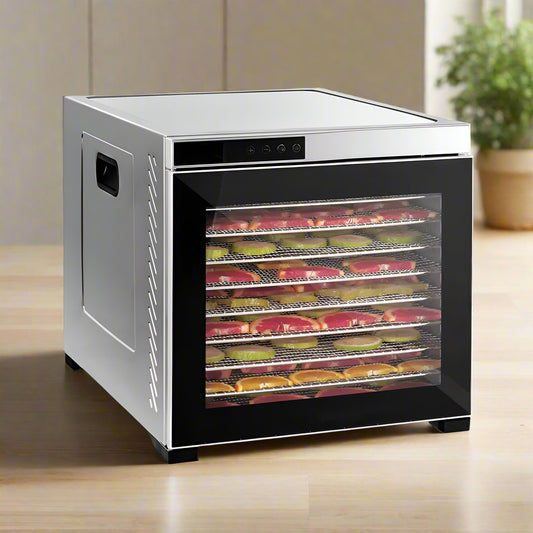
Devanti 10 Trays Food Dehydrator Stainless Steel Tray
Rated 5.0 out of 5 stars1RRP $412.99Regular price $314.65Save $98Sale price Now $314.65 Regular priceUnit price per -
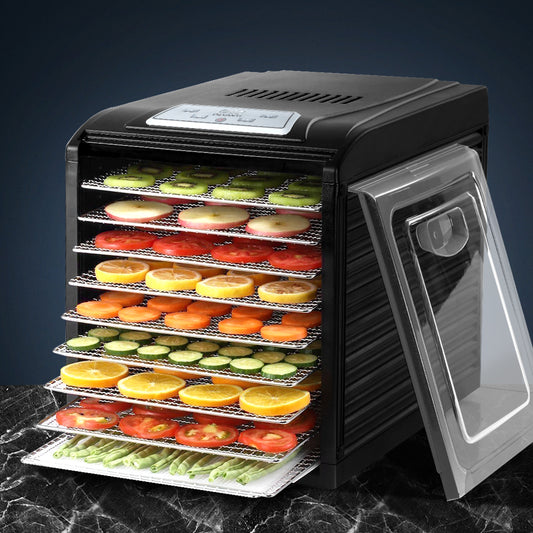
Devanti 9 Trays Food Dehydrator Stainless Steel Tray
RRP $266.99Regular price $164.65Save $102Sale price Now $164.65 Regular priceUnit price per -
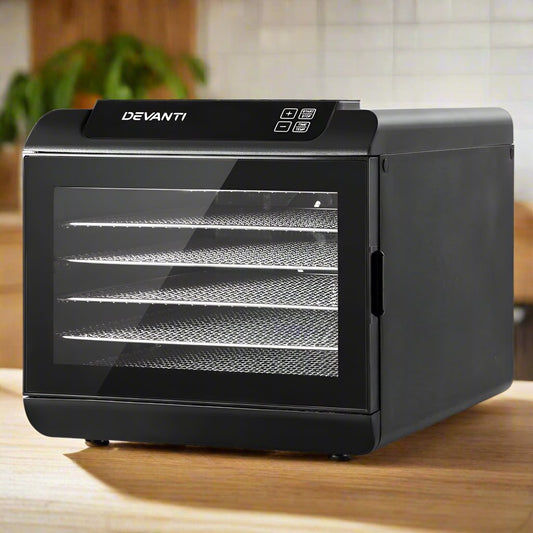
Devanti 6 Trays Food Dehydrator Stainless Steel Tray
Rated 5.0 out of 5 stars3RRP $214.99Regular price $149.58Save $65Sale price Now $149.58 Regular priceUnit price per -
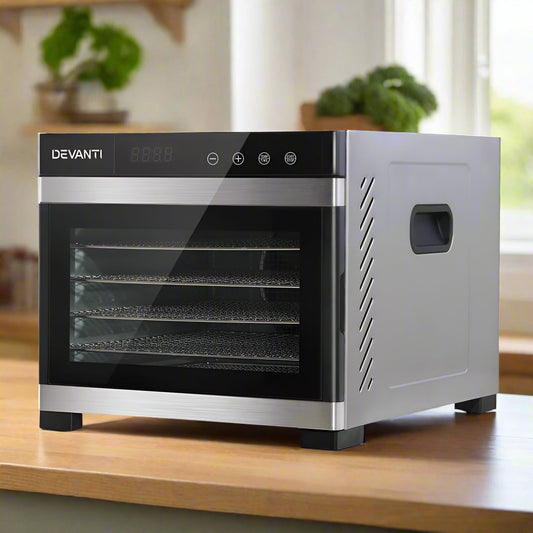
Devanti 6 Trays Food Dehydrator Stainless Steel Tray
Rated 5.0 out of 5 stars2RRP $249.99Regular price $164.06Save $86Sale price Now $164.06 Regular priceUnit price per -
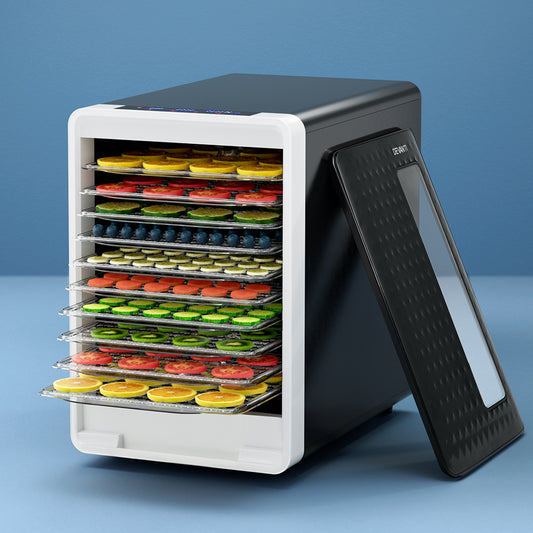
Devanti 10 Trays Food Dehydrator
RRP $266.99Regular price $159.24Save $108Sale price Now $159.24 Regular priceUnit price per -
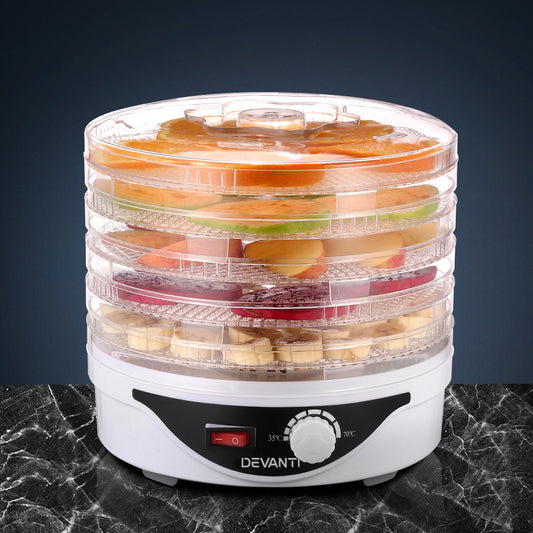
Devanti 5 Trays Food Dehydrator Fruit Dehydrators Pet Beef Jerky Dryer White
RRP $88.08Regular price $74.87Save $13Sale price Now $74.87 Regular priceUnit price per -
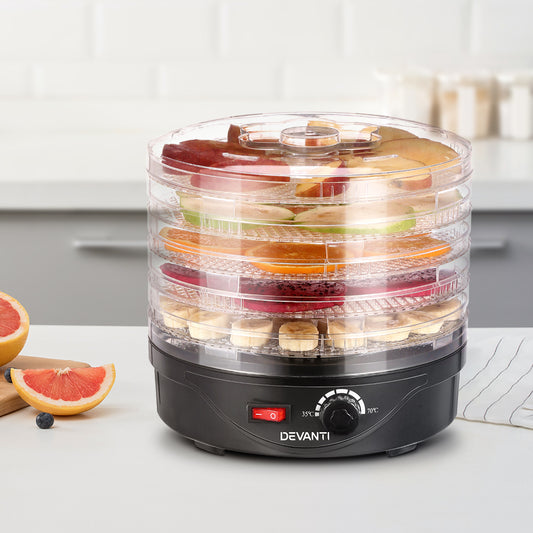
Devanti 5 Trays Food Dehydrator Fruit Dehydrators Pet Beef Jerky Dryer Black
RRP $71.99Regular price $69.77Save $2Sale price Now $69.77 Regular priceUnit price per -
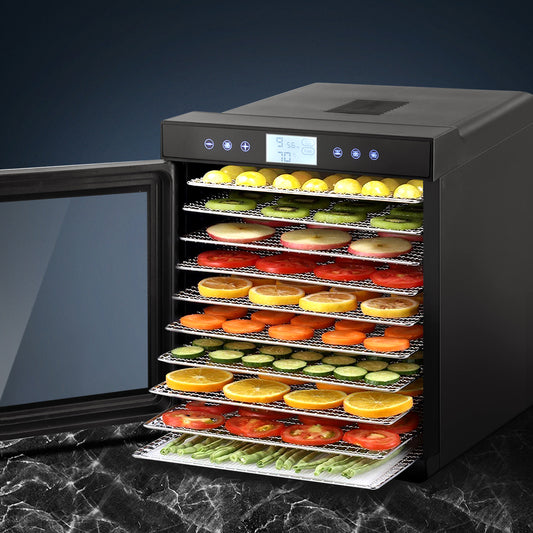
Devanti 10 Trays Food Dehydrator Stainless Steel Tray
RRP $309.99Regular price $229.31Save $81Sale price Now $229.31 Regular priceUnit price per -
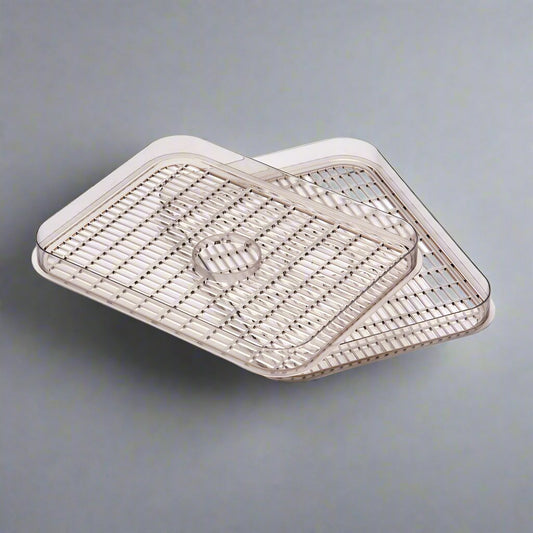
Food Dehydrator Add On Tray X2
RRP $32.99Regular price $29.67Save $3Sale price Now $29.67 Regular priceUnit price per -
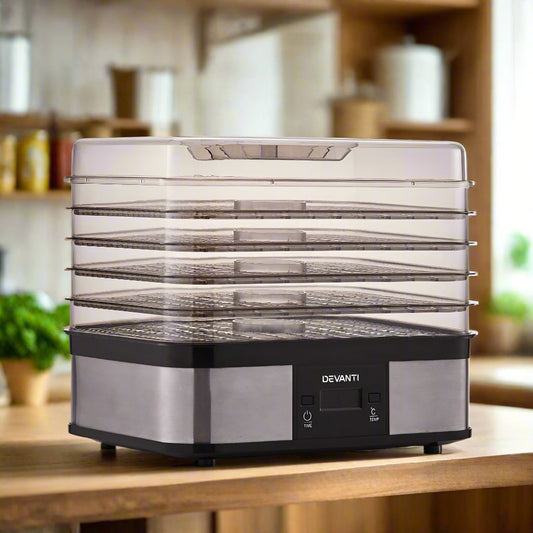
Devanti 5 Trays Food Dehydrator
Rated 5.0 out of 5 stars2RRP $116.99Regular price $99.57Save $17Sale price Now $99.57 Regular priceUnit price per -
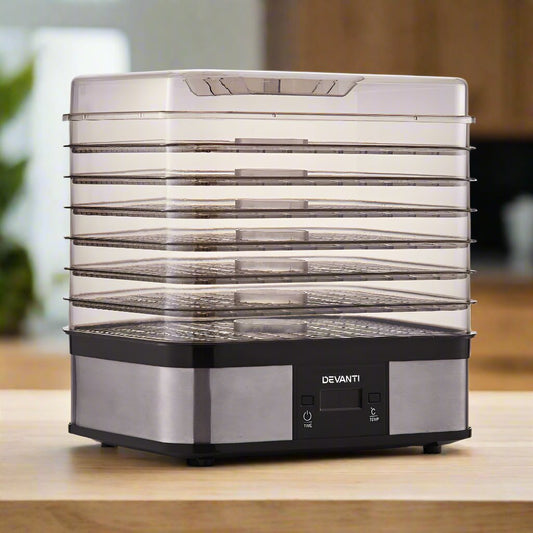
Devanti 7 Trays Food Dehydrator
RRP $142.99Regular price $119.93Save $23Sale price Now $119.93 Regular priceUnit price per -
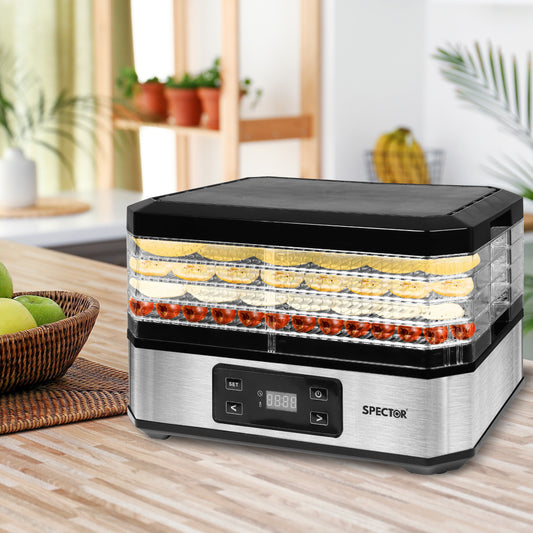 Sold out
Spector Food Dehydrators Stainless Steel
RRP $179.99Regular price $134.96Save $45Sale price Now $134.96 Regular priceUnit price perSold out
You might need these too




Shop Affordable Dehydrators
Finding cheap dehydrators suited to Australian home kitchens is easier when you can compare tray count, build quality, and features in one place. This range of cheap food dehydrators covers models from compact stackable designs through to larger stainless steel units with multiple trays, giving households the flexibility to match a dehydrator to the volume and frequency they actually use it. Whether you are drying fruit, making beef jerky at home, preserving garden herbs, or processing vegetables to reduce waste, there is a model here suited to the task. For shoppers building a broader food prep setup at the same time, our range of kitchen appliances covers the full selection of cooking and preparation essentials, and blenders pair naturally with dehydrating for households that process dried fruit and powders into smoothies and health drinks.
Choosing the Right Number of Trays
Tray count is the most practical starting point when comparing food dehydrators, since it directly determines how much you can process in a single batch. Compact models with fewer trays suit individuals and small households that dehydrate occasionally and want a more space-efficient option on the bench or in the cupboard. Mid-range models with a greater tray count handle larger batches and give you the flexibility to dry multiple ingredients simultaneously on separate trays, which is particularly useful when different foods require different drying conditions. Larger models suit households that dehydrate frequently or in higher volume, such as those making jerky regularly or preserving seasonal produce in bulk. The "Number of Trays" filter on this page makes it simple to narrow options to the batch size that fits your routine. For shoppers also comparing other food preparation appliances, the full appliances range covers the complete selection, and food warmers are a practical addition for households focused on make-ahead meal preparation.
What You Can Dehydrate at Home
Food dehydrators are more versatile than their name suggests, covering a wider range of preparation tasks than most shoppers initially expect. Beef jerky is one of the most popular uses, with a dehydrator giving you full control over the marinade, seasoning, and dry time in a way pre-packaged products cannot match. Fruit drying is equally common, from apple rings and mango slices through to banana chips and berry-based snacks. Herbs dry well at lower temperatures over longer cycles, preserving flavour and aroma better than oven drying at higher heat. Vegetables can be dehydrated for use in soups, stews, and trail mixes, making a dehydrator a practical way to reduce waste by processing surplus produce before it spoils. For households that combine dehydrated prep with everyday cooking, an air fryer handles faster daily tasks alongside the slower batch process of dehydrating, while a convection oven covers larger-format cooking the dehydrator is not designed for.
Key Features to Compare: Temperature, Timer, and Airflow
Temperature range, timer settings, and airflow design are the three most important technical features to compare when choosing a food dehydrator. A wider temperature range gives you more flexibility across ingredients: herbs dry best at lower temperatures to preserve volatile flavour compounds, while meat and fish require higher heat for safe long-term storage. A timer with automatic shut-off is especially useful for overnight cycles and longer runs where you do not want to monitor the machine throughout. Airflow design affects how evenly food dries across all trays, with rear-fan models that distribute heat horizontally generally producing more consistent results than top or bottom fan designs. Stainless steel trays clean more easily than plastic mesh alternatives and tend to perform better over repeated use with high-moisture ingredients like fruit and marinated meat. For kitchen planning, positioning a dehydrator in a dedicated food prep zone alongside a microwave and cooktop keeps the workflow practical and contained.
Getting the Best Results from Your Dehydrator
Consistent results depend on a few practical habits that make a meaningful difference to drying time and end quality. Slicing ingredients evenly before loading is the single most effective preparation step, since uniform thickness means everything dries at the same rate and avoids the problem of some pieces finishing well ahead of others. Spacing pieces without overlapping gives the airflow room to circulate around each item, which reduces moisture pockets and shortens the overall drying time. Rotating trays periodically during longer cycles compensates for any airflow variation between tray positions, particularly on models where the fan is positioned at one end rather than centrally. Cleaning trays after each batch with warm soapy water prevents residue from one food affecting the flavour of the next, and confirming whether the trays are dishwasher safe before buying saves time over regular use. For households setting up a dedicated prep area, a well-sized kitchen bench and a kitchen trolley for accessory and ingredient storage make preparation and clean-up considerably more efficient.
Why Shop at Factory Buys
Factory Buys stocks a range of affordable food dehydrators and jerky makers with fast shipping across Australia and a 12-month warranty on every product. Rated highly on Trustpilot by Australian customers, our support team is available seven days a week from 8am to 8pm, ready to help with any question before or after your order arrives.
How do you choose tray capacity and temperature controls to suit use?
Choose capacity based on what you plan to dry most often and how much you want to do in one batch. More trays can help with volume, but check tray spacing and usable area in the listing, not just the tray count. For control, look for adjustable temperature settings and a timer if you want consistent results across different foods.
What benchtop space and clearance should you measure before buying?
Measure the bench area where it will run and allow space around it for airflow. Compare your measurements to the dehydrator’s width and depth on the product listing, and check height if it needs to fit under cupboards. If you plan to store it away, measure your cupboard shelf and confirm the packed dimensions so it is easy to put away.
Which temperature range, timer length, and airflow design affect drying results?
A wider temperature range gives you more flexibility across herbs, fruit, jerky, and vegetables. A timer helps you avoid over drying, especially for overnight use, so check the maximum run time in the specs. Airflow design can change how evenly it dries, so look for notes about fan placement or circulation. If the listing mentions tray rotation guidance, factor that into ease of use.
What setup is needed before first use, including tray cleaning?
Before first use, wash trays and any removable parts in warm soapy water, then dry them completely. Wipe the main unit with a damp cloth and keep water away from electrical components. Do a short empty run if the manual recommends it to clear any manufacturing odour. Check the listing for cleaning guidance, dishwasher safe parts, and any specific first use steps.
What are delivery timeframes and warranty terms if your dehydrator arrives damaged?
All orders are dispatched from our warehouse within 1 to 2 business days. Delivery typically takes 1 to 12 business days, depending on your location and the courier. All products include a 12 month warranty, and our Customer Support team is available 8 am to 8 pm, 7 days per week. If you need help at any stage, visit our Contact Us page and include your order number plus a short description so we can assist sooner.