Room Dividers
-
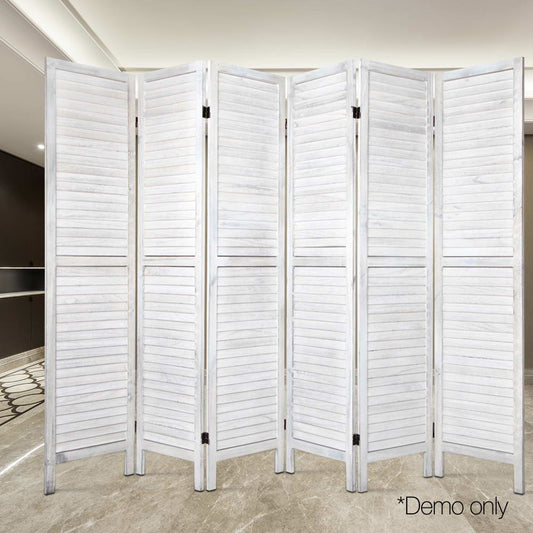
6 Panel Room Divider Screen 245x170cm - White
Rated 5.0 out of 5 stars1RRP $249.99Regular price $229.96Save $20Sale price Now $229.96 Regular priceUnit price per -
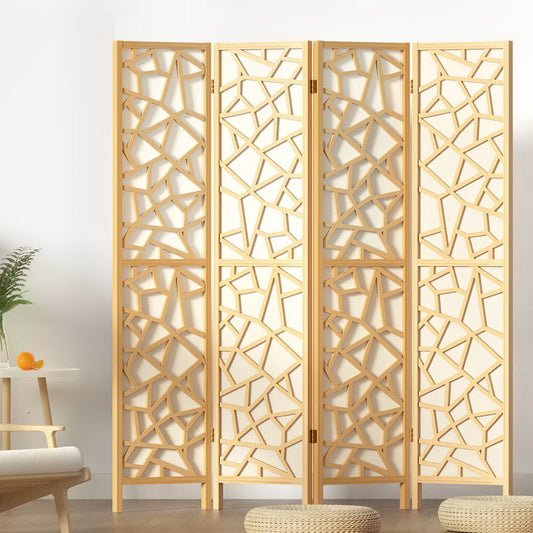
4 Panel Room Divider Screen 162x170cm - Natural
Rated 5.0 out of 5 stars1RRP $199.99Regular price $179.55Save $20Sale price Now $179.55 Regular priceUnit price per -
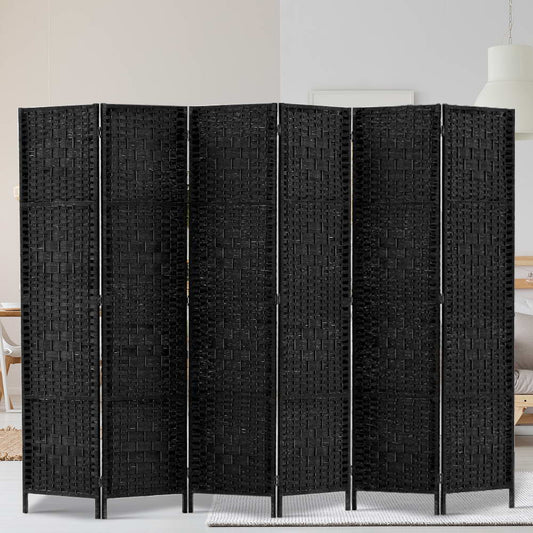
6 Panel Room Divider Screen 245x170cm Woven - Black
Rated 4.0 out of 5 stars2RRP $187.99Regular price $169.06Save $19Sale price Now $169.06 Regular priceUnit price per -
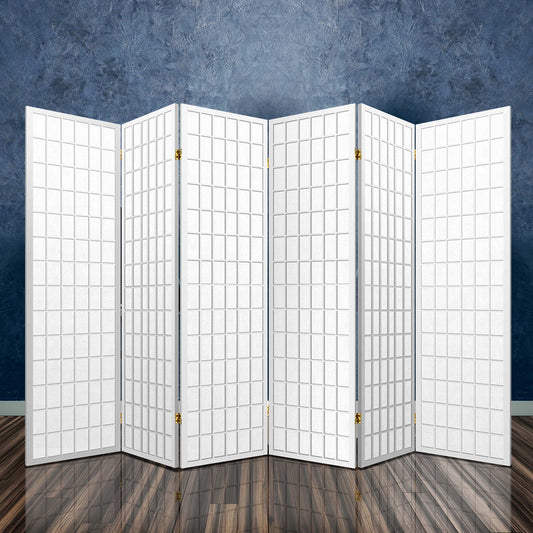
6 Panel Room Divider Screen 261x179cm - White
Rated 5.0 out of 5 stars1RRP $299.99Regular price $244.43Save $56Sale price Now $244.43 Regular priceUnit price per -
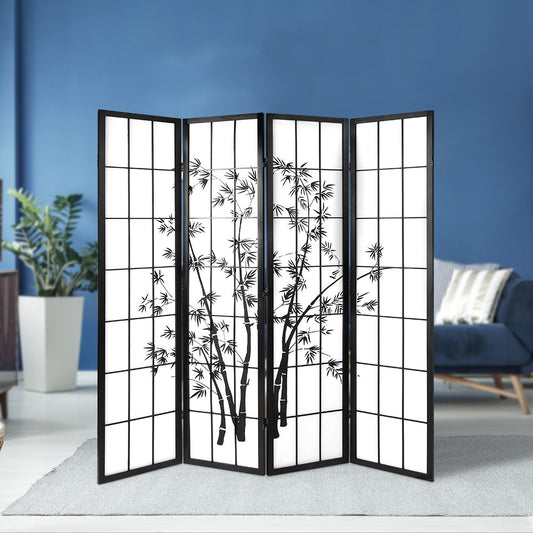
4 Panel Room Divider Screen 174x179cm Bamboo - Black & White
RRP $204.99Regular price $189.68Save $15Sale price Now $189.68 Regular priceUnit price per -
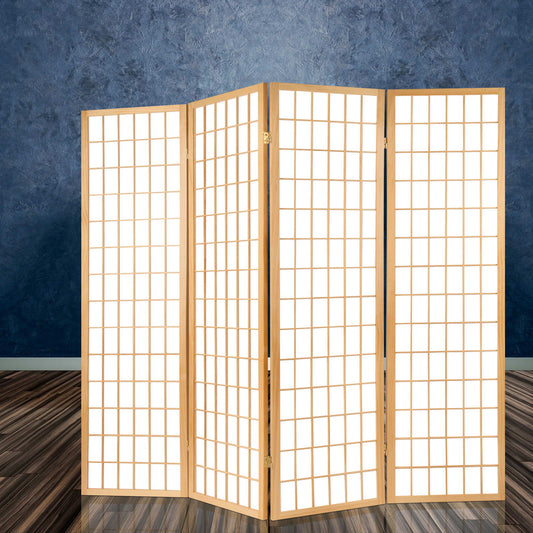
6 Panel Room Divider Screen 261x179cm - Natural
RRP $332.99Regular price $244.43Save $89Sale price Now $244.43 Regular priceUnit price per -
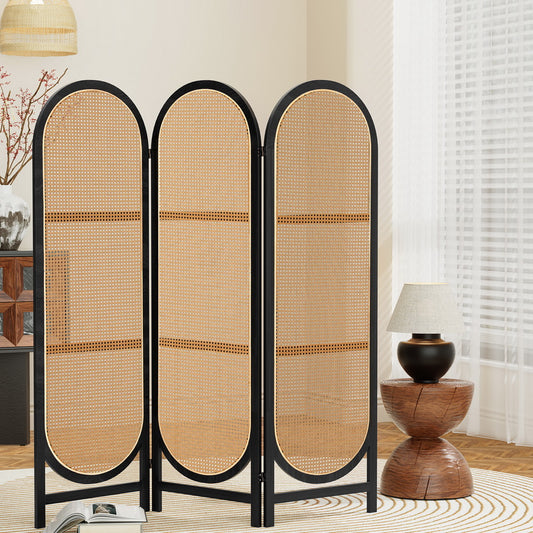
3 Panel Room Divider Screen 151x180cm Rattan - Brown
RRP $259.99Regular price $204.35Save $56Sale price Now $204.35 Regular priceUnit price per -
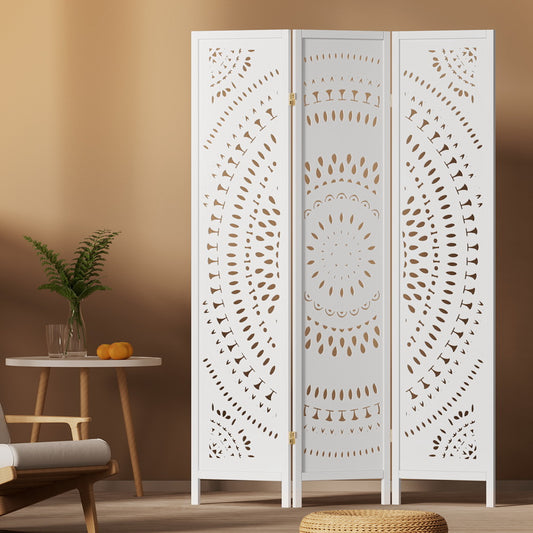
3 Panel Room Divider Screen 132x170cm Circle - White
RRP $192.99Regular price $174.43Save $19Sale price Now $174.43 Regular priceUnit price per -
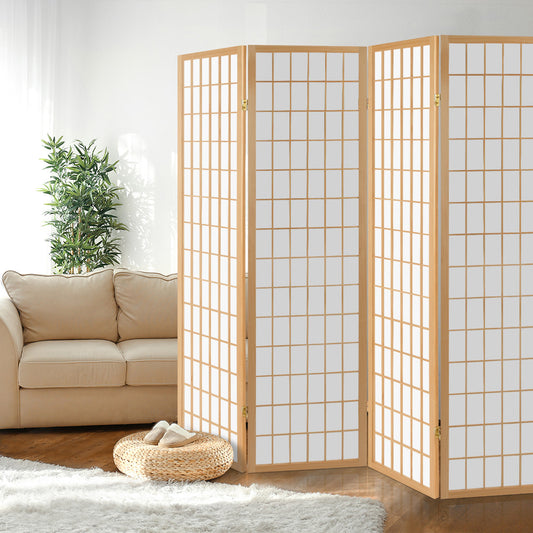
4 Panel Room Divider Screen 174x179cm - Natural
RRP $209.99Regular price $179.85Save $30Sale price Now $179.85 Regular priceUnit price per -
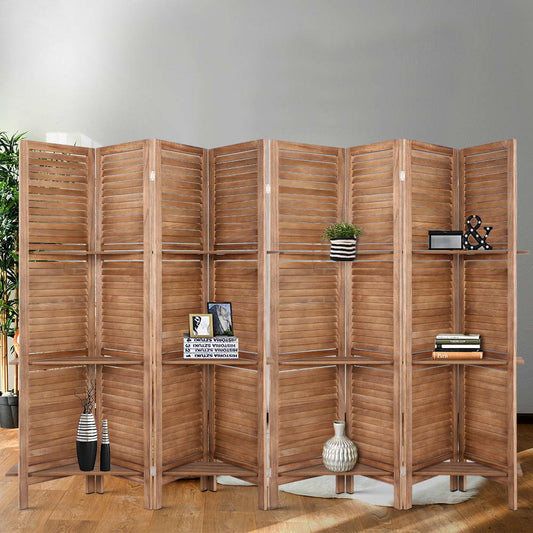
8 Panel Room Divider Screen 326x170cm Shelf - Oak
Rated 5.0 out of 5 stars1RRP $379.99Regular price $364.87Save $15Sale price Now $364.87 Regular priceUnit price per -
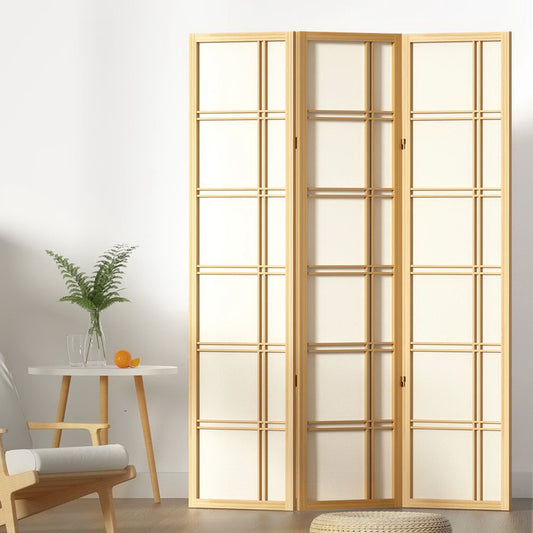
3 Panel Room Divider Screen 132x179cm - Natural
RRP $199.41Regular price $169.50Save $30Sale price Now $169.50 Regular priceUnit price per -
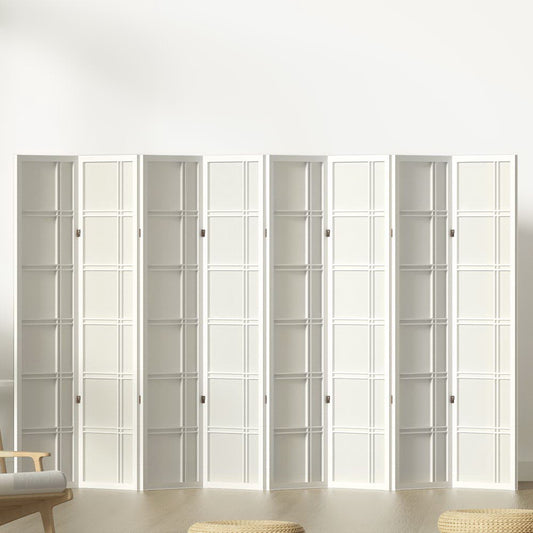
8 Panel Room Divider Screen 353x179cm - White
RRP $376.35Regular price $319.90Save $56Sale price Now $319.90 Regular priceUnit price per -
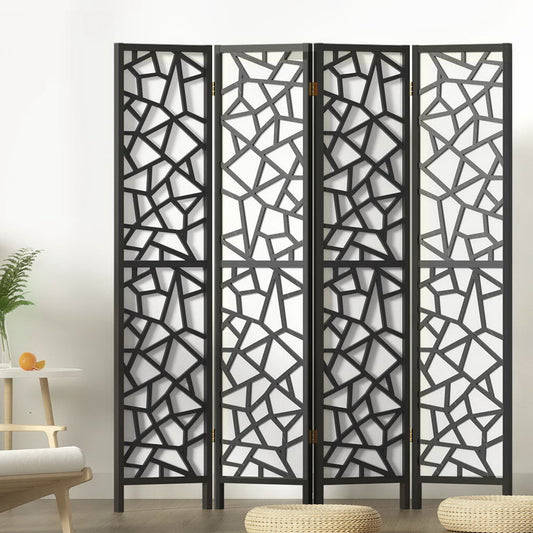
4 Panel Room Divider Screen 162x170cm - Black
RRP $235.09Regular price $199.83Save $35Sale price Now $199.83 Regular priceUnit price per -
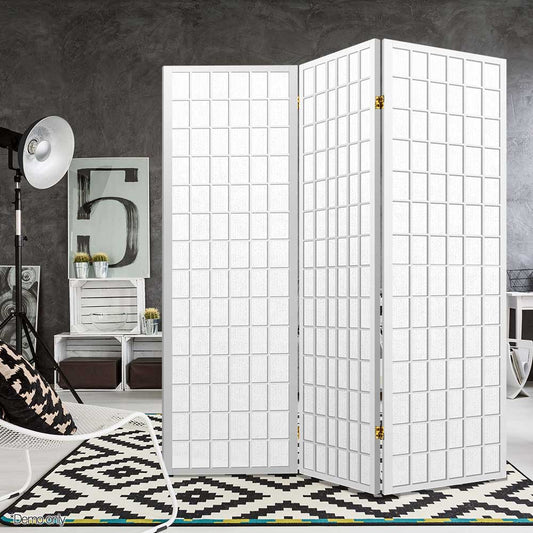
3 Panel Room Divider Screen 131x179cm - White
RRP $156.99Regular price $144.43Save $13Sale price Now $144.43 Regular priceUnit price per -
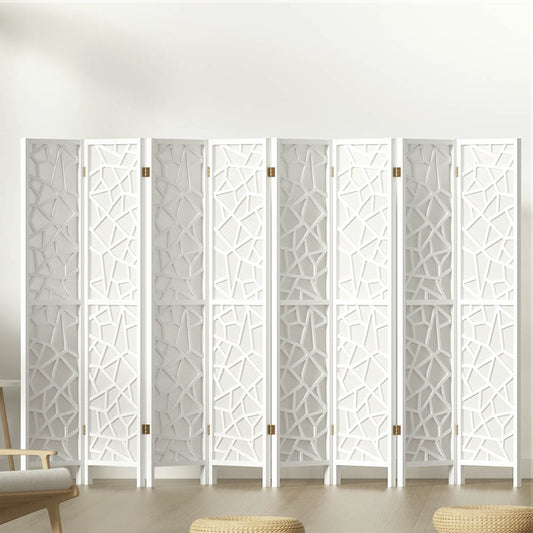
8 Panel Room Divider Screen 325x170cm - White
RRP $429.04Regular price $364.68Save $64Sale price Now $364.68 Regular priceUnit price per -
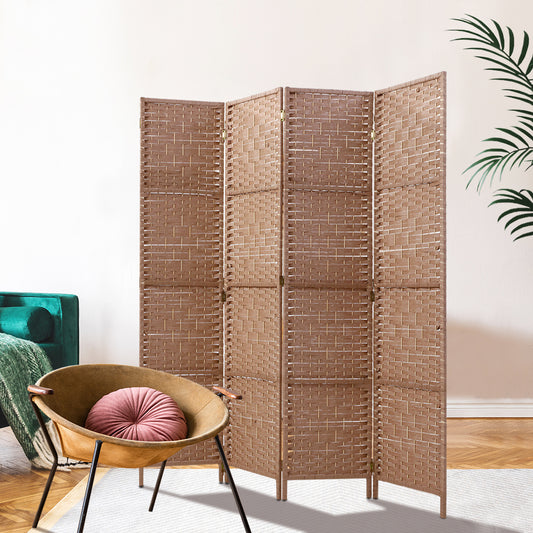
4 Panel Room Divider Screen 163x170cm Woven - Natural
RRP $151.92Regular price $129.13Save $23Sale price Now $129.13 Regular priceUnit price per -
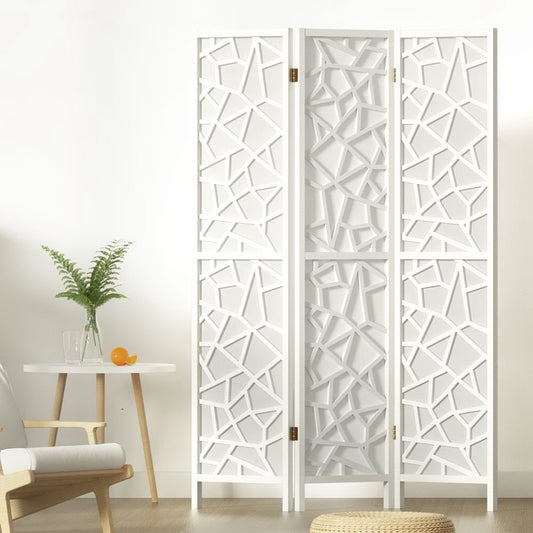
3 Panel Room Divider Screen 122x170cm - White
RRP $216.84Regular price $184.31Save $33Sale price Now $184.31 Regular priceUnit price per -
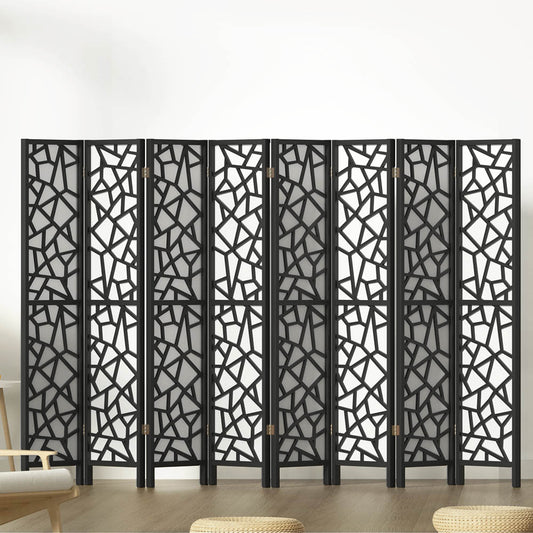
8 Panel Room Divider Screen 325x170cm - Black
RRP $423.24Regular price $359.75Save $63Sale price Now $359.75 Regular priceUnit price per -
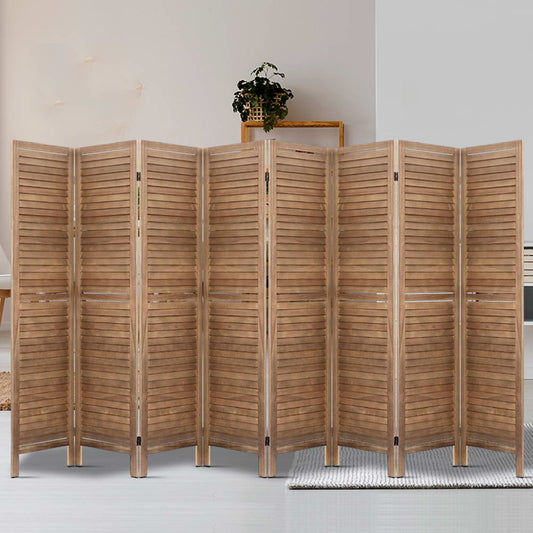
8 Panel Room Divider Screen 326x170cm - Oak
RRP $331.99Regular price $309.13Save $23Sale price Now $309.13 Regular priceUnit price per -
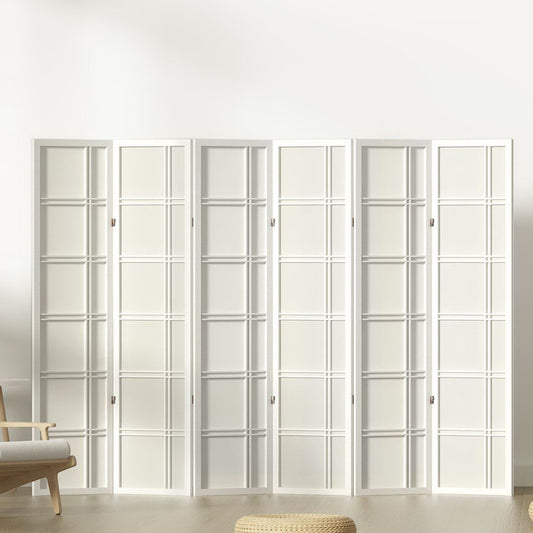
6 Panel Room Divider Screen 265x179cm - White
RRP $276.99Regular price $264.52Save $12Sale price Now $264.52 Regular priceUnit price per -
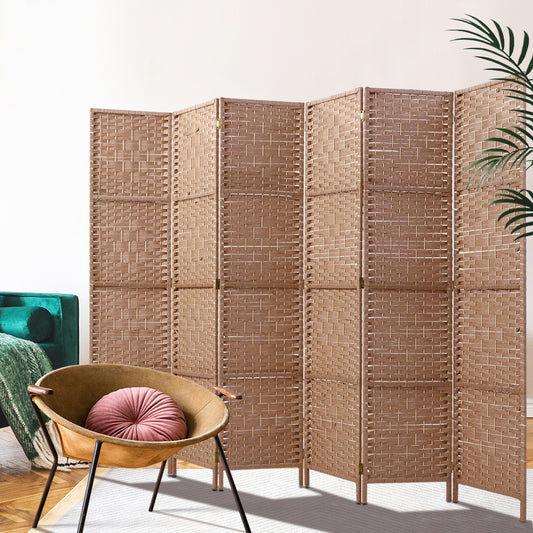
6 Panel Room Divider Screen 245x170cm Woven - Natural
RRP $187.99Regular price $169.06Save $19Sale price Now $169.06 Regular priceUnit price per -
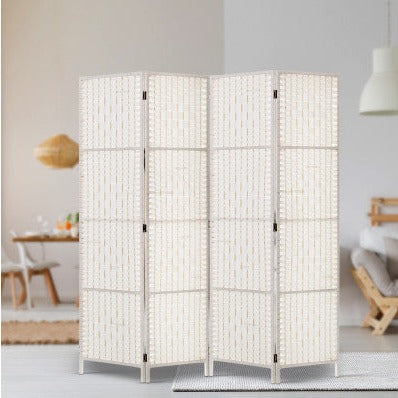
4 Panel Room Divider Screen 163x170cm Woven - White
RRP $151.92Regular price $129.13Save $23Sale price Now $129.13 Regular priceUnit price per -
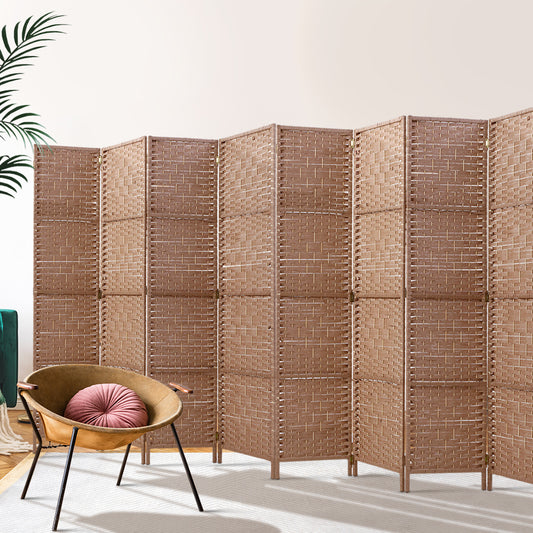
8 Panel Room Divider Screen 326x170cm Woven - Natural
RRP $244.99Regular price $204.66Save $40Sale price Now $204.66 Regular priceUnit price per -
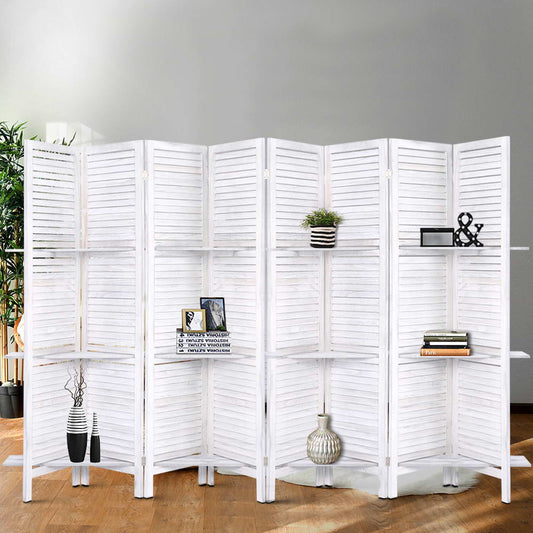
8 Panel Room Divider Screen 326x170cm Shelf - White
RRP $440.40Regular price $374.34Save $66Sale price Now $374.34 Regular priceUnit price per -
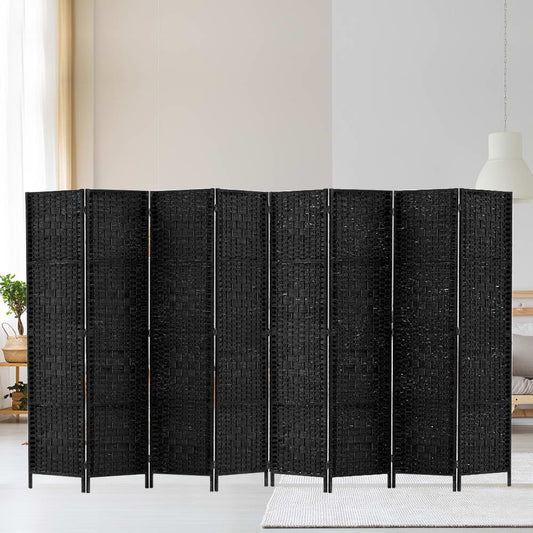
8 Panel Room Divider Screen 326x170cm Woven - Black
RRP $244.99Regular price $174.43Save $71Sale price Now $174.43 Regular priceUnit price per -
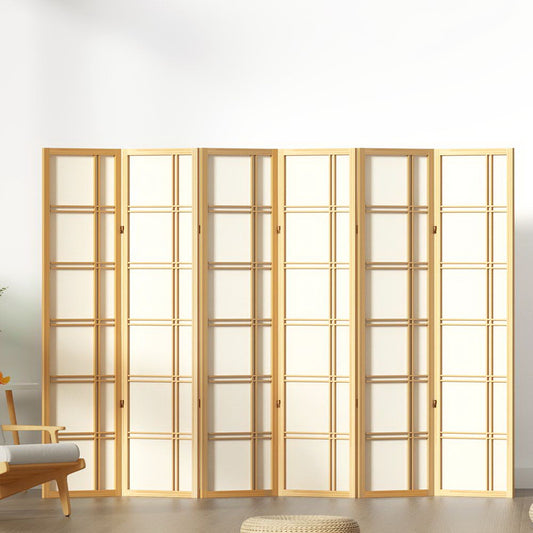
6 Panel Room Divider Screen 265x179cm - Natural
RRP $317.36Regular price $269.76Save $48Sale price Now $269.76 Regular priceUnit price per -
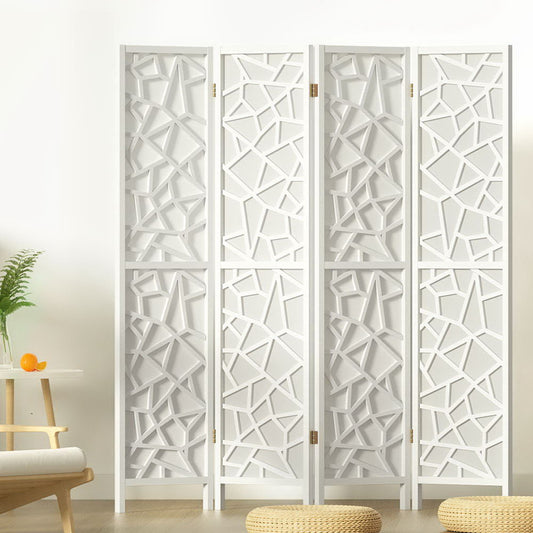
4 Panel Room Divider Screen 162x170cm - White
RRP $209.99Regular price $194.97Save $15Sale price Now $194.97 Regular priceUnit price per -
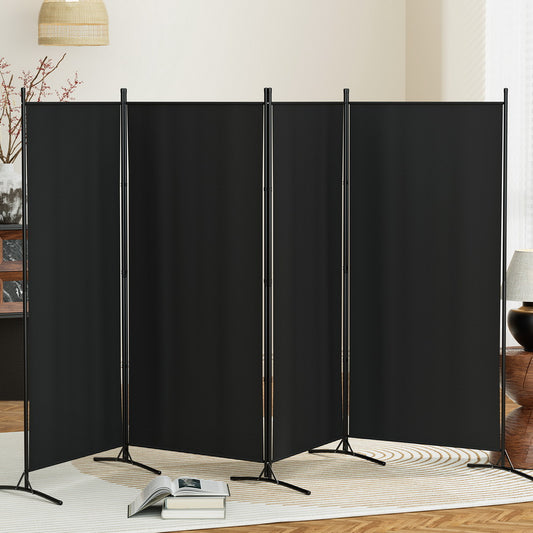
4 Panel Room Divider Screen 345x180cm Fabric - Black
RRP $126.99Regular price $104.06Save $23Sale price Now $104.06 Regular priceUnit price per
You might need these too
Shop Affordable Room Dividers
Room dividers give you a simple and reversible way to section a space, add privacy, or anchor a dedicated zone in an open room without committing to a permanent layout change. Our cheap room dividers cover three to eight panel configurations across timber, bamboo, rattan, woven, and fabric options, with most screens sitting at a height that suits standard room proportions. Several designs feature decorative carved or cut-out patterns that filter light rather than blocking it entirely, giving a visual partition without darkening either side. A small number of models also incorporate built-in shelf sections for dual-purpose use as both divider and storage. Whether you are creating a reading nook, a home office zone in a shared room, or a private dressing area, cheap room dividers here offer genuinely practical solutions at inexpensive price points. Browse the full living room furniture range for the wider room context, or explore our chairs collection to complete the space on either side.
Panel Count, Height, and Coverage: Getting the Configuration Right
The number of panels determines how wide the divider extends when open, and that width needs to match the gap or zone you are trying to define. Three-panel models cover a narrower span suited to a desk nook, a small alcove, or a doorway-width separation in a compact room. Four and six-panel models extend further and work better for separating larger sections of a room, such as dividing a living area from a dining zone in an open-plan layout. Eight-panel screens cover the most ground and suit studio apartments or large open-plan areas where a longer visual barrier is needed to make the separation feel meaningful. Height across most of the range sits at 170-180cm, providing a comfortable visual partition without reaching the ceiling and feeling oppressive. The shelf-panel variants in the range are worth noting separately: these combine folding divider panels with integrated shelving, giving you storage accessible from one side while the screen still functions as a partition. For storage-focused pieces to sit alongside a screen, display shelves and the broader storage furniture range are worth browsing at the same time.
Material and Style: Natural, Woven, Carved, and Fabric Options
The material across this range divides broadly into four groups. Timber and bamboo screens use a shoji-style panel construction with a visible frame and lattice fill that filters light gently and creates a warm, organic look suited to natural or coastal-inspired interiors. Woven rattan panels use a basket-weave construction that adds texture and allows some light through while still providing meaningful privacy. Solid and fabric panels in black or white provide the most visual separation and suit contemporary or high-contrast interiors where a clean, strong partition is the goal. Decorative cut-out and carved panels, including geometric and circular designs, are the most visually driven option in the range: they read as decorative objects in their own right and suit boho, coastal, or eclectic rooms where a plain functional screen would feel out of place. To carry a natural material aesthetic through the wider room, a rattan armchair uses a complementary material language, and a textured rug underneath or adjacent to the screen anchors the zone visually without adding furniture mass.
Using Room Dividers in Open Plan Homes, Studios, and Shared Spaces
The practical case for a room divider is strongest in open-plan living, studio apartments, and shared rooms where permanent walls are not an option. A screen positioned behind or beside a desk creates a defined home office zone in a living area without blocking light, restricting airflow, or requiring landlord approval. In a shared bedroom or studio, a screen between a sleeping area and a lounging or dressing zone creates meaningful separation that makes each area feel more purposeful. The folding format of most screens here means the configuration can change when needed, which suits rental homes and anyone who rearranges their space across seasons. On the lounge side of the divider, pairing with an accent chair, a tub chair for a reading nook, and a low coffee table creates a self-contained zone that reads as intentional rather than leftover space in a larger room.
Styling Both Sides of the Divider
A room divider works best when both sides of the partition feel considered rather than one side being finished and the other being the space where things get pushed out of frame. On the primary side, a well-placed armchair or reading chair gives the divider a reason to exist in that position and creates a seating zone that feels complete. A side table on each side of the screen ties the two zones together without requiring the same furniture in both. Decorative cut-out and carved panels respond particularly well to light: natural light from a nearby window or a lamp placed behind the screen throws a shadow pattern through the cut-outs that adds visual texture to the room without any additional styling effort. Keep furniture scale proportional to the screen: a tall eight-panel divider overpowers compact occasional chairs, while a three-panel screen suits smaller accent seating without the eye being pulled upward past it.
Why Shop at Factory Buys
Factory Buys is highly rated on Trustpilot, with customers regularly highlighting value for money and fast, reliable delivery. Every room divider in our range is backed by a 12-month warranty, and our support team is available 8am to 8pm, seven days a week. If you need help choosing the right panel count or style for your space, or have a question after delivery, we are here to help.
Which room divider style suits your space best, such as folding panel screens in white, black, natural, or woven finishes?
Choose the finish that matches the room and the level of visual softness you want. White screens feel lighter and suit bright interiors, while black adds contrast and can frame a space more strongly. Natural, bamboo, and woven options add warmth for relaxed rooms. Decorative cut-out panels suit feature corners where you want extra style.
How many panels and what height should you choose so the divider covers the area without overpowering the room?
Start with the space you need to cover and work backwards from the panel count. Fewer panels can suit a small nook or desk zone, while 6 to 8 panels give more coverage for larger rooms or open-plan spaces. Most options sit around typical screen height, so measure sightlines and confirm the listed height and total width.
What should you compare between room dividers, such as material type, panel design, and how much light you want to let through?
Compare the material and panel style, because that drives privacy and light flow. Solid or slatted panels block more and suit hiding storage or creating a dressing area, while woven and shoji-style designs soften the look and let more light through. Also check whether the frame feels rigid enough for daily use and whether the finish suits your furniture.
What should you check for everyday use, such as stability, how easily the divider folds, and whether it is simple to move?
For everyday use, prioritise stability and ease of handling. Check the base width and weight so the divider will not wobble if you brush past it, especially in busy walkways. Folding screens should open and close smoothly, so confirm how the panels hinge and whether it folds flat for storage. If you will move it often, look for a size you can lift comfortably.
What if your room divider arrives damaged, missing parts, or not as described after delivery? What return or replacement support applies?
All orders are dispatched from our warehouse within 1 to 2 business days. Delivery typically takes 1 to 12 business days, depending on your location and the courier. All products include a 12 month warranty, and our Customer Support team is available 8 am to 8 pm, 7 days per week. If you need help at any stage, visit our Contact Us page and include your order number plus a short description so we can assist sooner.